
March Madness Futures vs Game-by-Game Betting: Which Is More Profitable?
March Madness offers several ways to approach the NCAA Tournament from a betting perspective, but most strategies ultimately revolve around...

 0
0
Published Mar 13, 7:47am ET by Ralitza Angelova

Last updated Mar 13, 7:47am ET
March Madness offers several ways to approach the NCAA Tournament from a betting perspective, but most strategies ultimately revolve around March Madness futures vs game-by-game betting. Each method behaves differently throughout the tournament and places unique demands on your bankroll, timing, and risk tolerance.
Futures betting focuses on the long view, with wagers on outcomes such as the eventual champion or which teams advance to specific stages like the Final Four. These bets require patience and capital that remains tied up as the bracket progresses.
Game-by-game betting takes the opposite approach. It centers on individual matchups, allowing bettors to respond to changing lines, market movement, and tournament momentum on a daily basis.
Many bettors use both styles at different points in the tournament, while others naturally gravitate toward one approach. Before comparing profitability, it helps to understand how each bet type fits into the wider March Madness betting landscape.
Understanding the Two Betting Approaches
Before comparing the profitability or long-term expectations of each method, it helps to break down the two fundamental approaches available during March Madness.
Futures betting and game-by-game betting operate on different timelines, create different risk profiles, and require different levels of involvement from the bettor. Both have valid roles depending on your goals and how you prefer to interact with the tournament.
What Is Futures Betting in March Madness?
Futures betting involves placing wagers on outcomes that unfold over the entire tournament rather than a single game. These markets typically include:
Championship winners
This is the most common futures market, allowing bettors to select who they believe will win the NCAA Tournament overall.
Final Four or regional futures
Some bettors choose to focus on narrower futures markets, such as which teams will reach the Final Four or advance from their respective regions. These markets usually offer a range of prices based on perceived strength and bracket difficulty.
Capital lock-up over time
The defining trait of futures betting is that your stake remains active until the wager either wins or loses. As the tournament progresses, your funds remain committed, limiting how much bankroll you can allocate to other opportunities. For some bettors, this long-term exposure is part of the appeal. For others, it represents an opportunity cost that needs to be considered before committing.
What Is Game-by-Game Betting?
Game-by-game betting focuses on individual matchups as the tournament unfolds. Instead of selecting a long-term outcome, bettors look at each game and decide whether the available odds offer a worthwhile opportunity.
Spreads and totals
Most game-by-game wagers involve either the point spread or the total number of points scored. These markets update frequently and reflect changes in public money, injuries, and tournament momentum.
Single-game exposure
Each wager is resolved within the game itself. The result is immediate, and your bankroll is not tied up beyond that single event. This allows for more repetition and more decision points throughout the tournament.
Flexibility across rounds
Game-by-game betting gives you the ability to adapt to how the tournament is unfolding. You can react to line movement, adjust exposure from day to day, and remain selective about which matchups you want to commit to. This flexibility contrasts sharply with the long-term nature of futures positions.
How Profitability Differs Between Futures and Game-by-Game Bets

Profitability in March Madness betting is shaped as much by timing, exposure, and bankroll management as by the wagers themselves. Futures and game-by-game bets behave differently throughout the tournament, which means neither approach is universally more profitable. The key is understanding how risk, pricing, and opportunity interact in each market.
Risk vs Reward Profile
Futures: higher variance, longer exposure
Futures wagers carry higher variance because they depend on outcomes that unfold across multiple rounds. A single unexpected result can shift the entire trajectory of a futures ticket, and capital remains tied up until the outcome is decided. While the potential payout can be attractive, the path to that outcome is less predictable. This variability is part of the long-term nature of futures markets.
Game-by-game: lower variance, more repeatable decisions
Betting individual matchups allows bettors to make a larger number of lower-variance decisions. Each game is resolved quickly, exposure is limited, and there are more opportunities to identify favorable prices. Profitability relies on consistent evaluation rather than long-term prediction. Because each bet stands alone, results tend to be smoother over time, provided the bettor maintains discipline.
Bankroll Efficiency
Capital tied up vs capital recycled
Futures bets lock up capital for an extended period, which reduces available funds for other opportunities. This can limit flexibility, especially early in the tournament when game volume is highest. The opportunity cost becomes part of the profitability equation, since the same stake could have been used to make multiple shorter-term wagers.
Opportunity cost during the tournament
Game-by-game betting allows a bettor to continually recycle capital. Wins can be reinvested, losses can be addressed immediately, and adjustments can be made as the bracket evolves. Even modest gains can compound across multiple rounds, something that is not possible when funds are tied up in long-term futures positions.
Odds, Pricing, and Market Efficiency
Futures often priced conservatively by sportsbooks
Sportsbooks typically price March Madness futures to reflect risk, handle, and liability. Pricing can be conservative, especially for popular outcomes, which affects the long-term expected returns on these bets. Because futures markets do not update as frequently as game lines, inefficiencies can arise, but they are less common than many bettors assume.
Game lines adjust more frequently
Game-by-game markets respond quickly to new information, public money, and tournament developments. This frequent adjustment means the lines tend to be more efficient close to tip-off. Bettors who monitor early movement or specialize in specific matchups may find more consistent opportunities in these markets than in futures pricing.
When Futures Betting Makes More Sense
Futures betting can play a useful role in a March Madness strategy when the bettor’s priorities align with long-term exposure rather than daily decision-making. While futures are not inherently more profitable than single‑game wagers, they can make sense in specific situations where patience, capital management, and a broader tournament view are the primary focus.
Long-Term View of the Tournament
Futures wagers appeal to bettors who prefer to take a step back and evaluate the tournament as a whole. Instead of reacting to day‑to‑day volatility, these bettors focus on probabilities that unfold over multiple rounds. This approach suits those who want to establish positions early and monitor how the market shifts as the bracket progresses.
Limited Time to Bet Daily
The NCAA Tournament requires constant attention for those who plan to bet individual matchups. Not everyone has the time or interest to track lines, evaluate market movement or respond to new information throughout each round. Futures betting offers an alternative that is less time‑intensive. Once a position is placed, there is no need to manage every game along the way.
Hedging Flexibility Later in the Tournament
One advantage of futures betting is the ability to make adjustments later in the tournament. If a futures position gains value as the field narrows, bettors sometimes use game‑by‑game wagers to reduce exposure, balance risk, or secure a measured outcome. This flexibility is not guaranteed, but it is a strategic option that game‑by‑game betting alone does not always provide.
When Game-by-Game Betting Is More Practical

Game-by-game betting becomes the more practical approach for bettors who prefer flexibility, hands-on involvement, and the ability to respond to new information as the NCAA Tournament progresses. Because each wager settles quickly, this style suits those who want to stay active throughout March Madness rather than committing to long-term positions.
Active Bettors Who Track Market Movement
Game-by-game betting works well for bettors who follow line movement, monitor odds changes, and adjust their decisions as new information becomes available. The NCAA Tournament produces rapid shifts in totals, spreads, and moneyline pricing, especially between opening numbers and tip-off. Bettors who are comfortable evaluating these shifts in real time often gravitate toward this approach.
Market Awareness and Day-to-Day Decision Making
Some bettors enjoy the rhythm of analyzing matchups and making day-specific decisions. With multiple games on the schedule most days, this approach offers frequent opportunities to find prices that align with personal projections or preferred edges. The ability to reassess each round also means bettors can react to how teams are performing, how the bracket is developing, or how the market is adjusting.
Adaptive Strategies as the Tournament Evolves
Game-by-game betting appeals to those who prefer to adapt rather than commit. If a particular round appears volatile or priced efficiently, bettors can scale back their exposure. If another slate offers appealing spreads or totals, they can engage more heavily. This adaptive structure contrasts with the fixed nature of futures positions, giving the bettor more control over when and how to allocate capital.
Common Mistakes Bettors Make With Both Approaches
Futures betting and game-by-game betting may seem like very different strategies, but bettors often run into similar issues regardless of which method they prefer. These mistakes typically stem from misunderstandings of variance, exposure, and bankroll management rather than from poor intent. Recognizing them in advance can help keep your March Madness strategy steady throughout the tournament.
Overexposure to Futures Positions
One of the most frequent issues is allocating too much bankroll to long-term futures. Because these bets remain active for several rounds, overcommitting early leaves little flexibility later in the tournament. This can create situations where bettors feel locked into positions that no longer align with how the bracket is unfolding. A smaller, more controlled allocation gives you the option to adjust or hedge when it makes sense.
Chasing Games After Futures Losses
When a futures position loses early, some bettors attempt to make up the loss by increasing volume on the next set of games. This reactive approach can amplify variance and put unnecessary stress on the bankroll. Futures losses are part of long-term exposure, and they should be treated separately from daily game decisions. Chasing rarely aligns with a disciplined strategy.
Mixing Strategies Without a Bankroll Plan
Using both futures and game-by-game betting can be effective, but only when the bankroll is divided intentionally. Without clear boundaries, bettors may find themselves stretched thin by tournament volatility, especially during the opening rounds when game volume is high. A defined plan for how much to allocate to each method helps maintain consistency and keeps risk at manageable levels.
Choosing the Right Approach for Your March Madness Strategy
Selecting between futures and game-by-game betting is less about identifying the “better” method and more about understanding which approach fits your preferences, risk tolerance, and available time during the NCAA Tournament. Both styles can be effective when aligned with the bettor’s goals, and both can become difficult to manage when used without a clear plan.
Time Commitment
The level of involvement you want during March Madness plays a major role in determining which approach is better suited to you. Futures betting requires minimal day-to-day engagement. Once a position is placed, there is no need to track every game closely or follow constant line movement.
Game-by-game betting demands more time. Bettors who enjoy evaluating matchups, monitoring odds throughout each round, and reacting to new information will find this approach more rewarding. Those who prefer a simpler, long-term position may lean toward futures.
Risk Tolerance
Variance behaves differently in each style. Futures come with higher volatility and longer exposure. A well-placed futures ticket can gain value over time, but it can also become irrelevant quickly if the bracket does not unfold as expected. This approach tends to suit bettors who are comfortable with long-term uncertainty.
Game-by-game betting offers smaller, more frequent decisions. Losses are contained within single matchups, and wins can help maintain momentum across the tournament. This structure often appeals to bettors who prefer consistency and a more controlled risk profile.
Goals: Entertainment vs Disciplined Betting
Understanding what you want from the tournament is key. If your goal is to enjoy the experience, have a stake in broader outcomes, and follow long-term narratives, futures betting aligns naturally with that mindset. If your priority is applying a disciplined strategy, making repeated decisions, and engaging with daily markets, game-by-game betting may feel more appropriate.
The right approach is the one that matches your expectations for March Madness, not the one that promises the highest return.
How Futures and Game-by-Game Betting Fit Into March Madness as a Whole
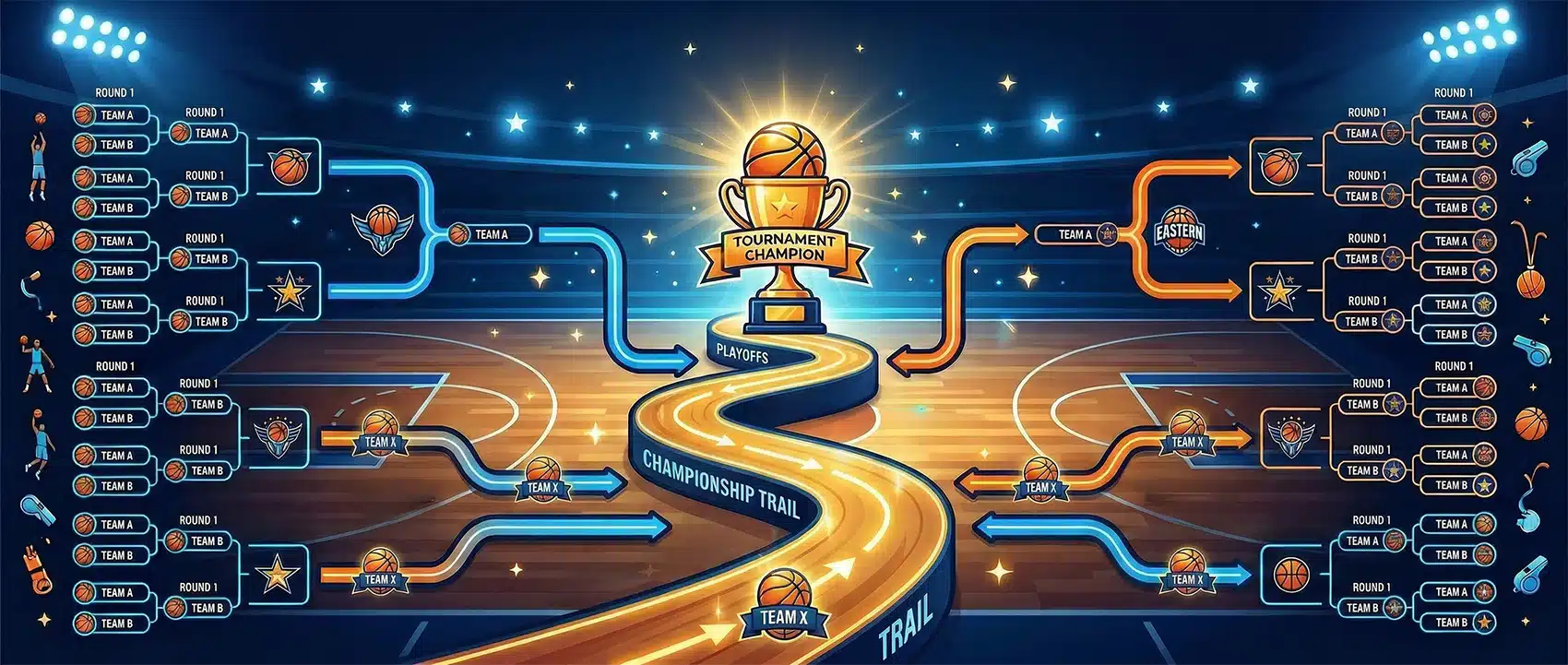
Both futures and game-by-game betting play meaningful roles in how bettors navigate the NCAA Tournament. Each method interacts with the tournament structure differently, and understanding how they complement the overall flow of March Madness helps bettors decide where each approach fits within their broader strategy.
Futures Shape the Long-Term Framework
Futures bets establish early positions that remain active as the bracket progresses. They create a long-term stake in the tournament and can help guide later decisions. Bettors who enjoy having a broader narrative or a long-view perspective often use futures as a foundation for the rest of their betting activity. These positions do not resolve quickly, but they can influence how and when a bettor chooses to engage with specific rounds or potential hedging opportunities.
Game-by-Game Bets Drive Daily Decision-Making
The game-by-game approach aligns with the immediate, fast-paced nature of March Madness. With multiple games occurring across several rounds, this method provides flexibility and a continuous stream of opportunities. Bettors can adjust based on how teams are performing, how the market is shifting, and how their bankroll is responding to early results. This adaptability allows for a more reactive strategy during the busiest parts of the tournament.
Combining Both Approaches
While some bettors rely exclusively on one method, many blend the two by using futures for long-term exposure and daily wagers to capitalize on short-term opportunities. The combination offers both stability and flexibility. A futures position may serve as a long-term anchor, while game-by-game wagers provide the ability to respond to new information or rebalance exposure as the tournament unfolds.
For a full breakdown of March Madness futures, live odds, and single-game betting options, see our complete March Madness betting guide.



Popular Bets
Related Content



OSB Authors





Further Reading